Can AI Be Kind? How Emotionise Is Building Emotional Intelligence Into AI
Can AI Be Kind? How Emotionise Is Building Emotional Intelligence Into Artificial Intelligence
When we talk about artificial intelligence, the conversation often centres on efficiency, automation, and productivity. Rarely do we ask whether AI can be kind. Yet as AI becomes increasingly embedded in our communications — from customer service chatbots to email assistants — the emotional quality of these interactions matters more than ever.
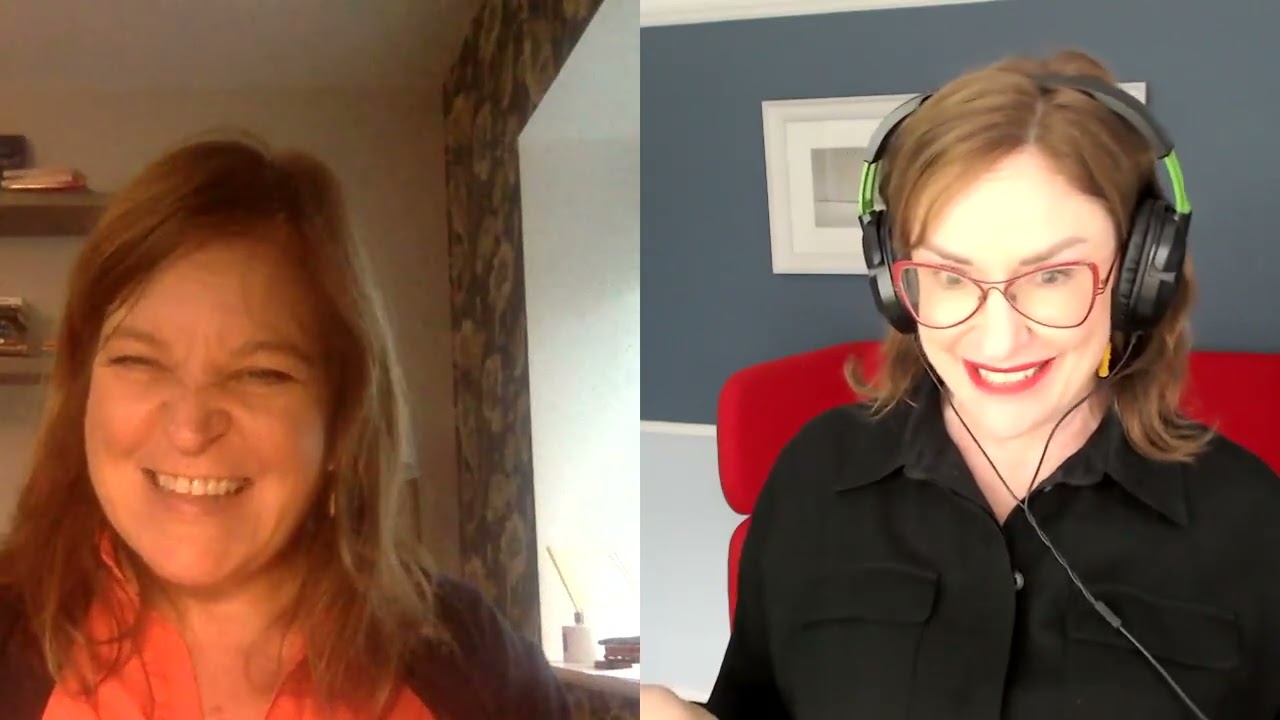
In a recent episode of the Chatting GPT podcast, Maryrose Lyons, founder of AI Institute, spoke with Marie Toft, CEO and Co-founder of Emotionise, about her mission to bring kindness, compassion, and emotional intelligence into AI. Drawing on her background as a psychotherapist and veteran television producer, Toft is pioneering an approach that could fundamentally change how we think about human-AI interaction.
Emotional Intelligence: A Power Skill, Not a Soft Skill
Toft's central argument challenges conventional wisdom about emotional intelligence. For years, EI has been dismissed as a "soft skill" — valuable but secondary to technical capabilities. Toft argues the opposite: emotional intelligence is a power skill, and its importance will only grow as AI becomes more prevalent.
"Emotional intelligence is for years was seen as a kind of a soft skill," Toft explains. "I would argue emotional intelligence is a power skill and in fact as AI becomes more and more part of our lives that level of humanity and emotional intelligence is going to become I would argue even more important."
This perspective reframes the human-AI relationship. Rather than viewing AI as a replacement for human capability, we should see it as a tool that amplifies certain human qualities while making others more valuable. When AI handles routine cognitive tasks, emotional intelligence — the ability to understand and manage emotions in ourselves and others — becomes a critical differentiator.
The Science Behind Emotionally Intelligent AI
Building emotionally intelligent AI requires more than good intentions. It demands rigorous methodology and quality data. Emotionise has developed a sophisticated approach to training AI that begins with human expertise.
The company tests writers for emotional intelligence before they contribute training data. Only those who demonstrate high EI are invited to create the content that trains the AI models. This careful curation ensures that the AI learns from emotionally sophisticated examples rather than average or poor ones.
The result is EMR (Emotionally Intelligent Model), a product that acts as a real-time cognitive collaborator. Integrated into Microsoft Outlook and Gmail, EMR analyses written communications before they are sent, flagging language that might be emotionally damaging and suggesting alternatives that preserve the message while reducing potential harm.
Practical Applications: From Political Speeches to Daily Emails
Toft shares a compelling example of EMR in action. When tested against a real political speech, the AI identified language likely to upset teachers and offered a diplomatically equivalent, factually accurate alternative. This demonstrates practical enterprise value: the ability to communicate difficult messages without unnecessary emotional damage.
The applications extend far beyond politics. Customer service teams can use emotionally intelligent AI to ensure their responses de-escalate rather than inflame tense situations. Managers can receive guidance on delivering constructive feedback that motivates rather than demoralises. Sales teams can craft proposals that resonate emotionally with prospects.
In each case, the AI doesn't replace human judgment — it augments it. The human remains in control, but with an intelligent assistant that helps them consider emotional impact they might otherwise miss.
The EU AI Act and Emotional AI
The timing of Emotionise's work is particularly relevant given the EU AI Act's provisions on emotion recognition. The Act raises important questions about how emotional data should be handled and what safeguards are necessary.
Toft's approach aligns with these concerns. Emotionise's AI doesn't evaluate or label individuals — it supports the person writing, helping them communicate more effectively. This distinction matters: the goal is to enhance human communication, not to judge or categorise people.
For organisations concerned about EU AI Act compliance, emotionally intelligent AI tools offer a path forward that respects regulatory frameworks while delivering genuine value.
What It Means to Be Human in an AI Age
The conversation between Lyons and Toft ultimately circles back to a fundamental question: what does it mean to be human in an age of artificial intelligence?
Toft's answer centres on emotional intelligence — the capacity for empathy, compassion, and nuanced understanding that remains distinctly human. As AI takes on more cognitive tasks, these emotional capabilities become more valuable, not less.
This has profound implications for how we prepare for an AI-driven future. Technical skills remain important, but emotional intelligence may be the true competitive advantage. Organisations that cultivate EI in their teams — and leverage AI tools that support emotionally intelligent communication — will be better positioned to thrive.
Looking Forward: The Future of Human-AI Collaboration
Emotionise represents a broader trend in AI development: the recognition that human factors matter as much as technical capabilities. As AI systems become more sophisticated, the focus is shifting from what AI can do to how AI can support human flourishing.
For businesses across Ireland and the UK, this shift presents both challenges and opportunities. The challenge is developing the emotional intelligence capabilities that will differentiate human workers from AI systems. The opportunity is using AI tools like EMR to enhance communication, build stronger relationships, and create more humane workplaces.
Marie Toft's work reminds us that the future of AI isn't just about smarter machines — it's about better human-machine collaboration. By building emotional intelligence into AI, we create tools that don't just process information but support the qualities that make us human.
Want the full conversation? Watch the full episode on Chatting GPT.