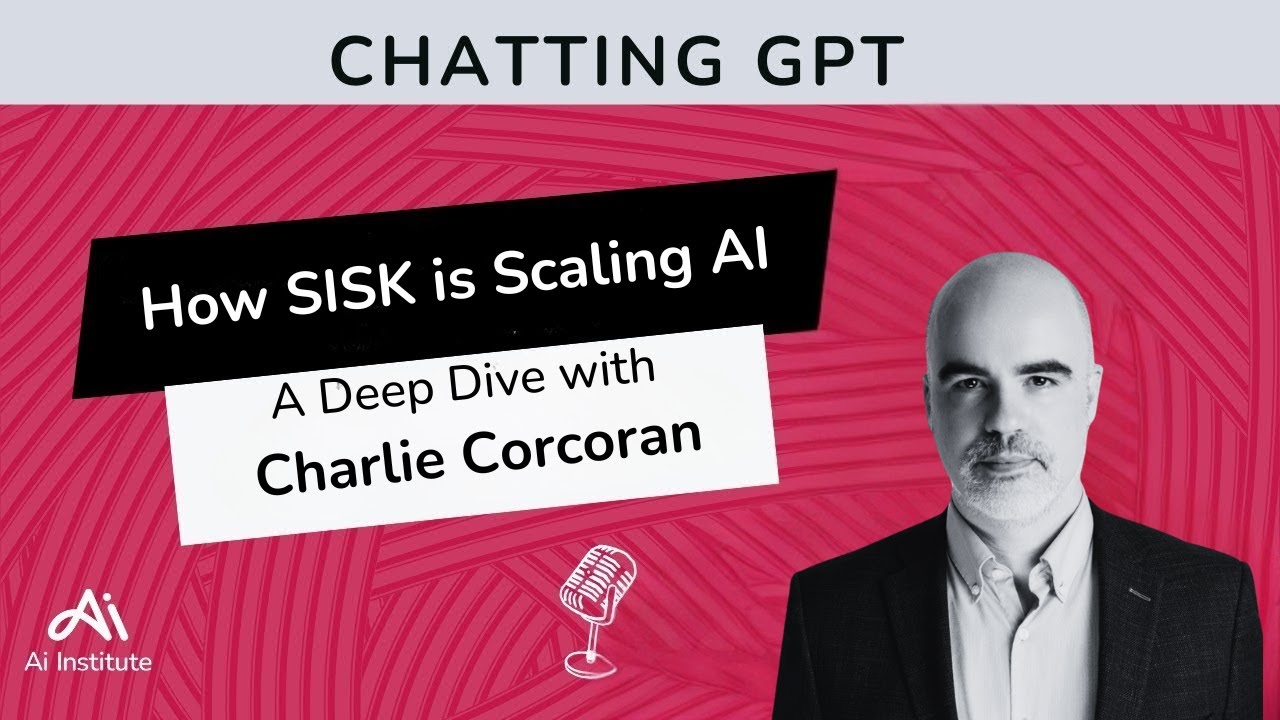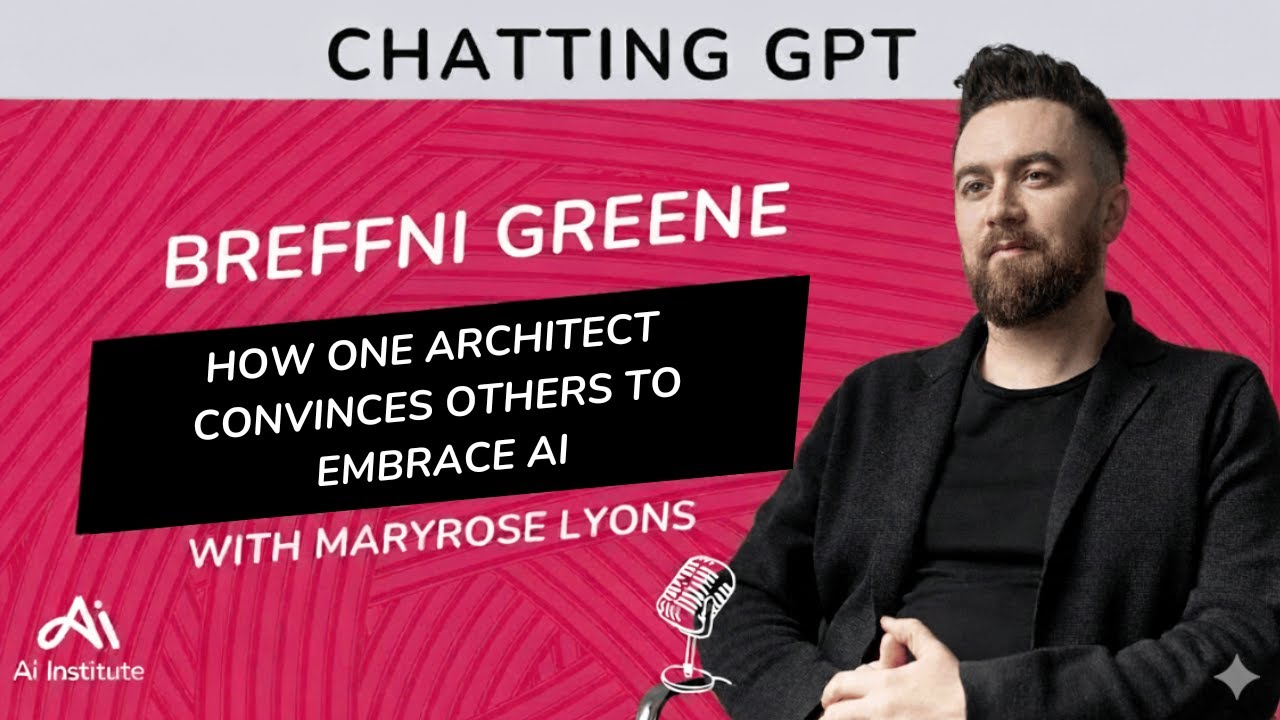
Strategic AI Implementation for Professional Services Firms in Ireland and the UK

Professional services firms across Ireland and the UK are confronting a fundamental question: how do we integrate generative AI into our practice without disrupting client delivery or compromising quality? The answer is less about the technology itself and more about the strategic decisions firms make during implementation.
The Build Versus Buy Decision
Many professional services leaders initially assume they need custom AI solutions tailored to their specific workflows. This impulse is understandable—legal firms handle sensitive client data, engineering practices work with specialized technical documentation, and accounting firms navigate complex regulatory requirements. However, the evidence from early adopters suggests a different path forward.
Firms that rush to build proprietary AI systems often encounter significant obstacles. Development timelines stretch beyond initial estimates, costs escalate, and maintenance requirements consume resources that could be directed toward client work. More critically, custom solutions frequently lag behind the rapid improvements in commercial platforms like Microsoft Copilot, ChatGPT Enterprise, and specialized professional services tools.
The most successful implementations in Dublin, Athlone, and throughout the UK have followed a platform-first approach. These firms adopt proven AI tools, customize them through careful prompt engineering and workflow integration, and focus their internal resources on change management rather than software development. This strategy allows professional services firms to benefit from continuous platform improvements while maintaining focus on their core competencies.
Organizational Readiness Trumps Technical Capability
The primary barrier to AI adoption in professional services is not technological—it is organizational. Partners who have built careers on deep expertise and personal judgment may view AI as a threat to their professional identity. Associates worry about job security. Support staff face uncertainty about evolving role requirements.
Firms that achieve successful AI implementation address these concerns directly. They begin with executive sponsorship from managing partners who articulate a clear vision for AI as an augmentation tool rather than a replacement for professional judgment. They establish pilot programmes with volunteers from different practice areas, creating internal champions who can demonstrate practical value to skeptical colleagues.
AI literacy programmes play a crucial role in this transition. When professionals understand how large language models work, what they can and cannot do, and where human expertise remains essential, resistance decreases and experimentation increases. Firms in the architecture and construction sectors have found particular success with hands-on Copilot training sessions that demonstrate AI capabilities using real project documentation and client scenarios.
Measuring Value in Professional Services Context
Professional services firms require different metrics than product companies when evaluating AI implementation success. Billable hour models, client satisfaction scores, and quality control processes all influence how firms should measure AI value.
Early evidence from legal firms shows that AI tools can reduce document review time by 30 to 50 percent, but the value realization depends on how firms redeploy that time. Some firms maintain the same billing rates and improve margins. Others pass efficiency gains to clients through reduced fees and win new business. Still others redirect associate time toward higher-value advisory work that generates greater client loyalty.
Accounting firms are finding similar patterns in tax research, regulatory compliance, and audit preparation. The firms seeing the greatest ROI are those that reframe AI adoption as a strategic initiative rather than a cost reduction exercise. They invest in AI adoption workshops that help teams identify high-impact use cases specific to their practice areas, then support those teams through implementation and measurement.
The Change Management Imperative
Professional services firms operate on trust, expertise, and relationships. Any technology implementation that threatens these foundations will face resistance regardless of its technical merits. Successful AI adoption requires structured change management that respects professional culture while driving necessary evolution.
This begins with transparent communication about AI strategy, including honest acknowledgment of uncertainties and risks. Managing partners who pretend AI adoption is simple or risk-free lose credibility quickly. Those who engage their partnerships in genuine dialogue about opportunities and concerns build the foundation for sustainable change.
Training must be ongoing rather than a one-time event. As AI capabilities evolve and new use cases emerge, professional services firms need continuous learning programmes that keep teams current. Firms working with AI Institute (Ireland & UK) have implemented quarterly AI literacy refreshers that address new platform features, share internal success stories, and troubleshoot emerging challenges.
Practical Implementation Pathways
The most effective AI implementations in professional services follow a clear sequence. Firms start with low-risk, high-visibility applications that demonstrate value quickly. Document summarization, meeting transcription, and research assistance are common entry points. These applications improve daily work without touching client deliverables directly.
Once teams develop confidence and competence, firms expand AI use into client-facing work under appropriate supervision. Legal professionals use AI to draft initial contract language that senior partners review. Engineering teams employ AI to generate preliminary design options that licensed professionals evaluate and refine. Consultants leverage AI to analyze client data and identify patterns that inform strategic recommendations.
Throughout this progression, firms maintain clear protocols about AI use, client disclosure, and quality control. Professional liability considerations require careful governance, but they need not prevent innovation. The firms leading AI adoption in the built environment and professional services have found that clients generally support AI use when positioned as a tool that enhances professional expertise rather than replaces it.
Looking Forward
Professional services firms in Ireland and the UK face a compressed timeline for AI adoption. Client expectations are shifting rapidly as they experience AI capabilities in their own organizations. Talent recruitment and retention increasingly depend on firms offering modern tools and workflows. Competitive pressure from AI-native firms and alternative legal providers is intensifying.
The firms that will thrive in this environment are those making strategic AI investments now, building organizational capabilities through structured training and change management, and maintaining focus on the professional judgment and client relationships that remain their core differentiators. Technology enables these firms, but strategy and culture determine their success.
Want the full conversation? Watch the Chatting GPT episode on YouTube here: https://www.youtube.com/watch?v=0R707ldKSGU